
Professional bicycle mechanics and cloud infrastructure engineers work in different domains, but both deal with complex systems that require the same fundamental approach: careful observation, systematic diagnosis, and meticulous execution. The tools and materials differ, but the principles remain consistent.
The Foundation: Assembly as Precision Work
Assembling a bicycle from a box teaches the first critical lesson: a clean foundation is non-negotiable. A new bicycle in a box is not a finished product—it is a collection of parts with latent issues. Frames can be misaligned. Bottom brackets may be ungreased. Every bolt needs proper treatment to withstand real-world conditions.
A professional mechanic must verify frame alignment, install and align the bottom bracket and cranks, true wheels, adjust hub bearings, and properly install and tune brakes and derailleurs. Every component must be installed, aligned, and calibrated correctly. When attention to detail is aspirational rather than baseline, callbacks inevitably follow.
This same principle applies to digital systems. A misaligned configuration, an ungreased dependency (so to speak), or a poorly torqued setting will inevitably lead to production incidents. The feedback loop may be slower, but the outcome is the same.

The Giant Seek 3: a lesson in the virtue of simple, correct design.


Deepening the Craft: From Instructions to Problem-Solving
There is a difference between following instructions and solving problems. Building a bike from a box is one thing; diagnosing why a bike keeps making a strange noise or why a wheel keeps going out of true is another. The latter requires understanding the system deeply enough to trace causes and effects.
This is the transition from technician to engineer: from executing known procedures to diagnosing unknown failures and designing novel solutions. A mechanic learns that you cannot optimize your way out of a fundamental architectural flaw. If the frame is the wrong size, no amount of component adjustment will make it right.

Urbane Cyclist at John and Queen: a place where technical skill met community.

The Systems View: Understanding the Context
Working as a bicycle mechanic means serving a cross-section of a city: commuters, couriers, students, and weekend riders. The shop is a node in a larger urban transportation system. Each bike tells a story about its environment—the salt, potholes, and construction dust that coat the frames are data points about the city’s infrastructure.
The key insight is seeing the user behind the machine. In any technical system, the “user” is not an abstract specification but a person with real needs and constraints. Understanding this human context is what transforms a technical specification into a meaningful solution.

Cycle Solutions on Parliament Street.

The city as workshop: infrastructure shapes the systems we maintain.
The Translation: Common Principles Across Domains
The core process remains identical across domains: listen, diagnose, choose the right tools, apply a systematic solution, and verify the result. Whether you are truing a wheel or debugging a distributed system, the patience required is the same—making dozens of small, precise adjustments to find perfect balance.
Modern cloud infrastructure and bicycle mechanics both demand a systems perspective. Complex systems, whether made of steel or code, require clean foundations, careful diagnosis, and an understanding of the humans they serve.

Mastery begins with the details—understanding each component’s role in the whole.
The Parallel: Both Worlds
Kubernetes and cloud platforms are the modern equivalent of the bicycle shop’s advanced tools. Both offer ways to manage complexity at scale. The satisfaction comes from seeing a reliable system in operation—whether it is a silent, smooth-shifting drivetrain or a well-architected data pipeline.
The principles that guide good bicycle repair—attention to detail, understanding system interconnections, respecting the user—are the same principles that guide good engineering in any domain.
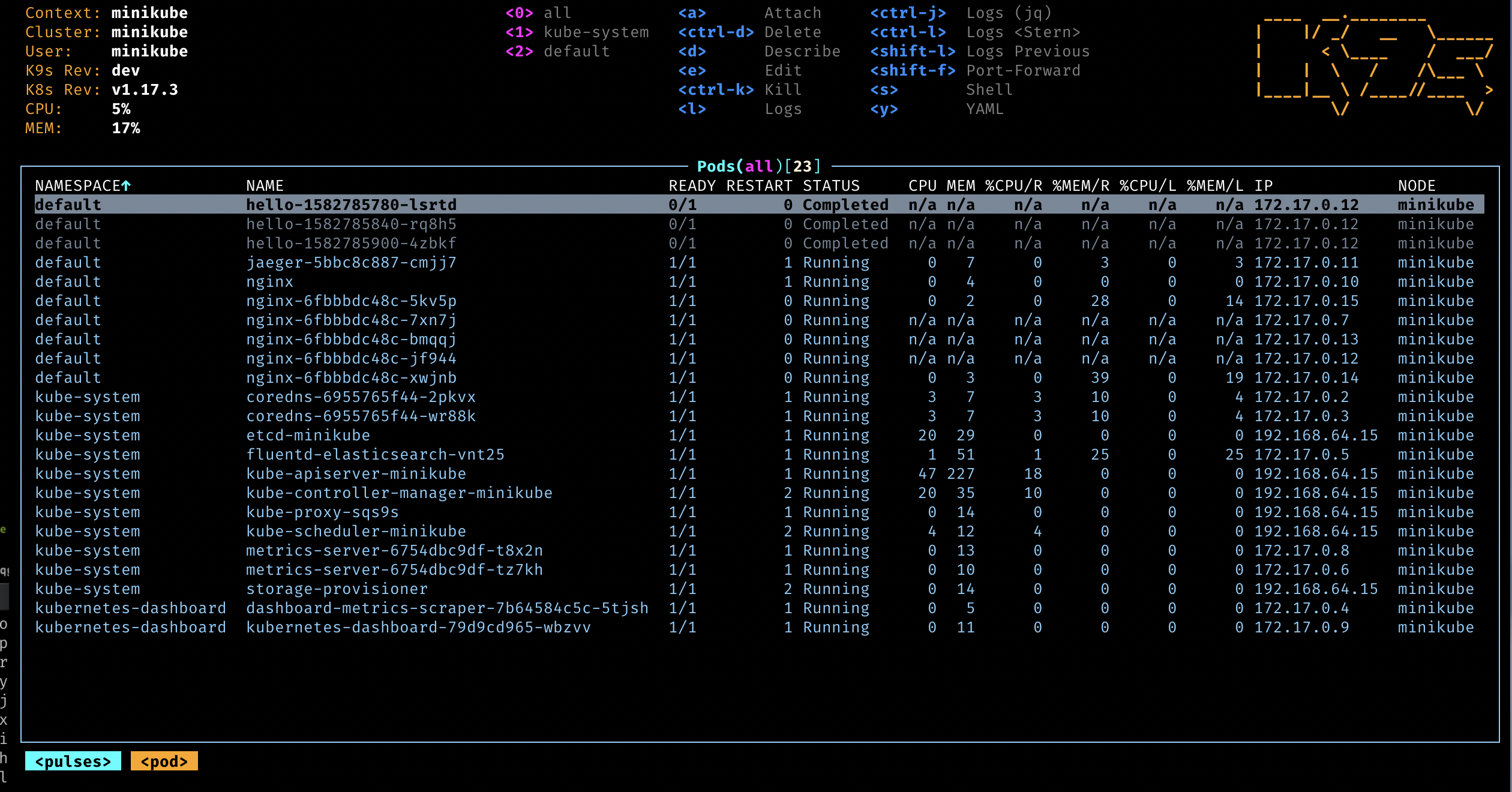
K9s: abstract systems, same goal of reliability.