Step onto a busy street. Before you identify the shop, the sign, the face, you are hit by a torrent of raw sensation—light, shadow, echo, hum, scent, the press of bodies and space. The city doesn’t arrive as a list of objects; it arrives as a whole, an overwhelming sensory wave. Your first task isn’t to sort the parts, but to absorb the total field. From that chaos, your mind constructs a world you can navigate.
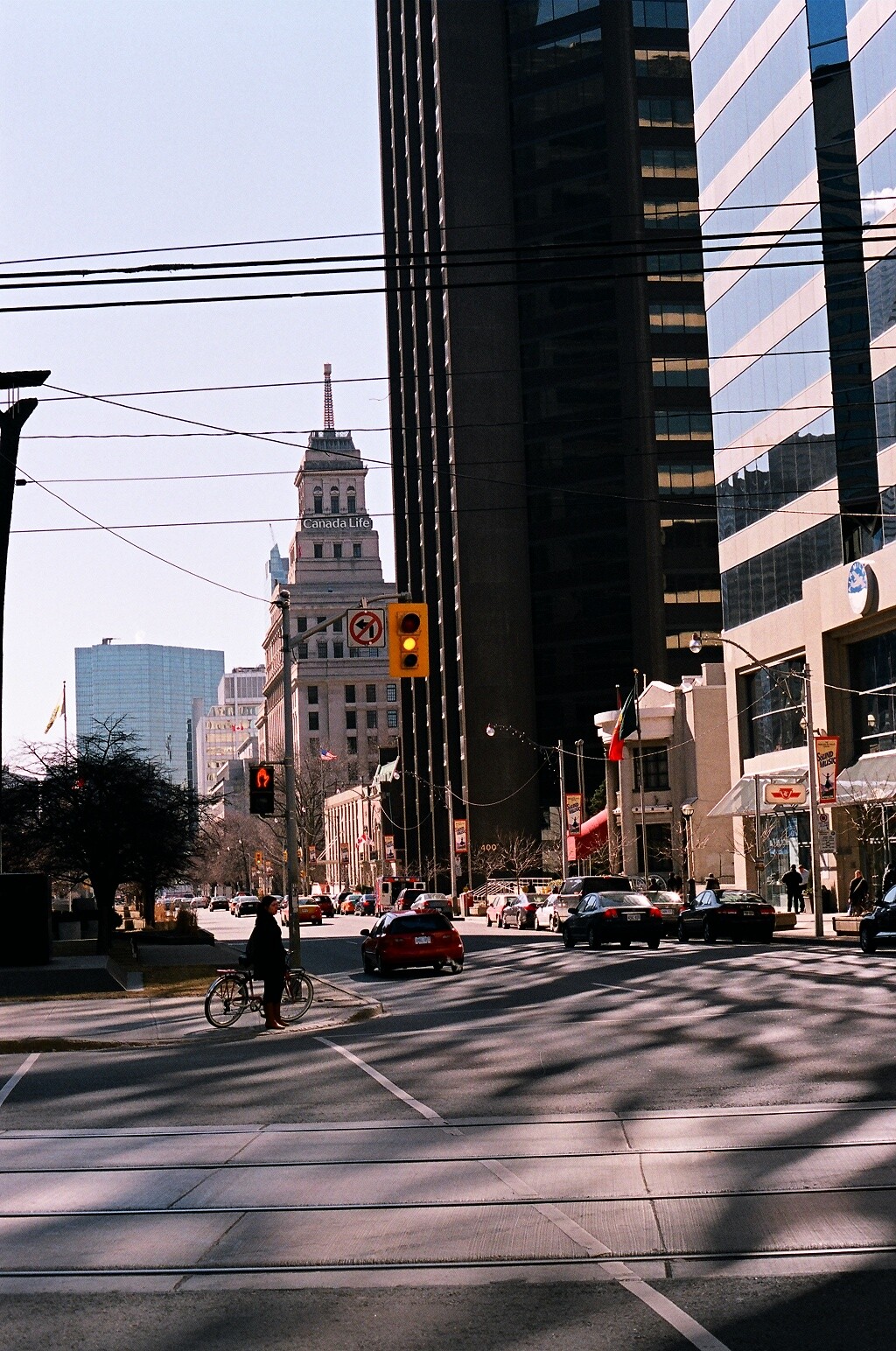
A sudden density of bicycles changes the texture of the urban sensorium—the city feels different when human-powered motion dominates.
The Silent Calculation
In every waking moment, your brain solves a complex equation. It takes thousands of unrelated inputs—the flicker of a neon sign, the pitch of a distant horn, the temperature shift as you pass a shaded alley, the faint smell of cooking oil—and synthesizes an answer. That answer is not a fact you can state, but a feeling: the unmistakable character of a place. You step off a train in a new city, and before you’ve read a single sign or spoken to anyone, you already know it feels different from home. That instant knowing is the result of a calculation you never witness. Your consciousness simply receives the solved result.
Ingredients Are Not the Meal
We often try to reverse-engineer that feeling by making a list: “It’s the bicycle bells, the pale gray of the pavement, the steam rising from a food cart in winter, the clash of old tiles against glass towers.” But a list of parts misses the thing itself. The feeling lives in the relationships between those parts—the way the bell’s pitch cuts through the hum of traffic, the way steam softens a hard architectural edge. You can know every ingredient in a dish and still not taste the meal. The city works the same way. Its character is an emergent property of the system, not an inventory of its elements.
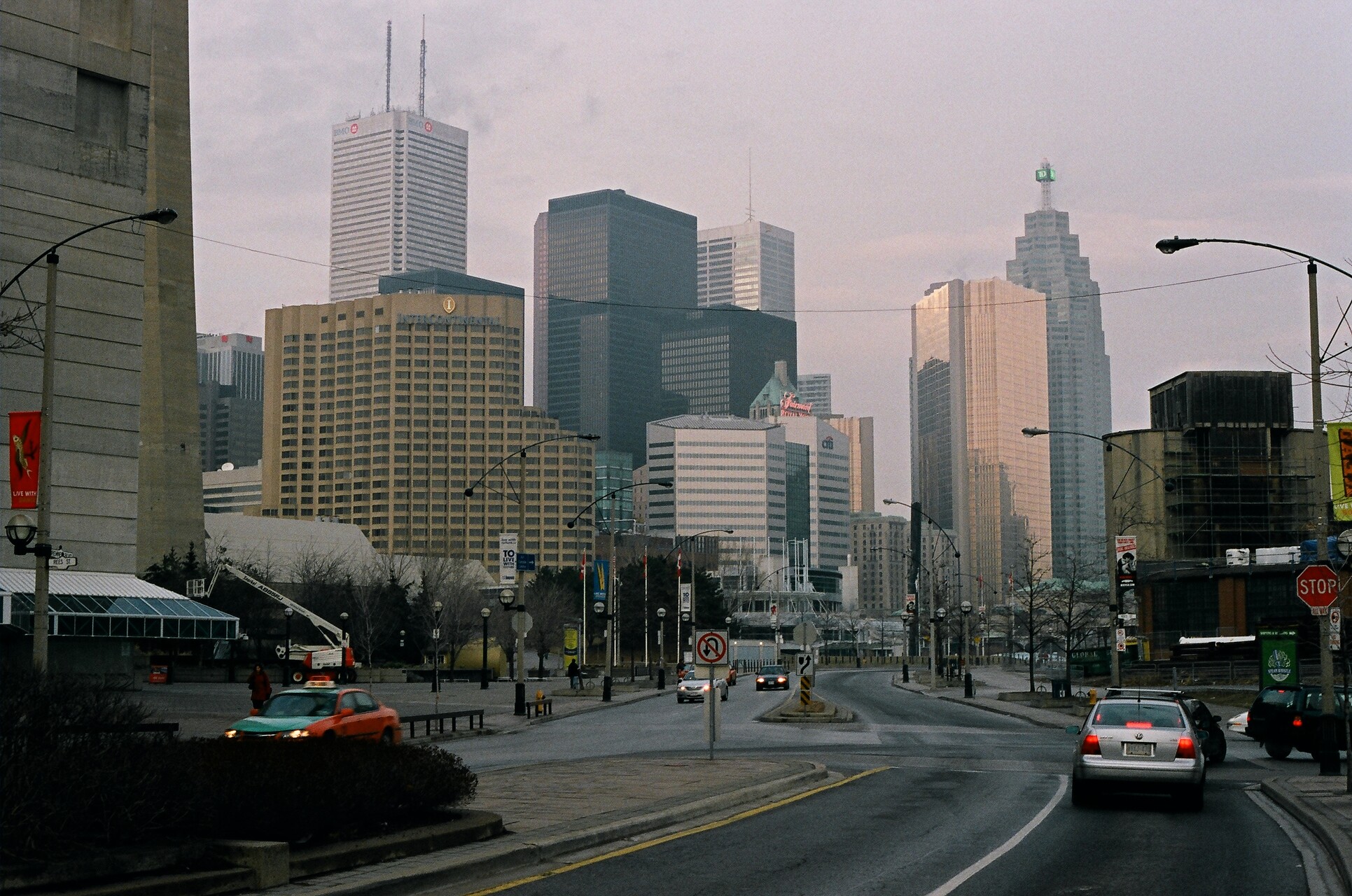
A city’s texture often emerges from repetition: the same window, the same material, the same rhythm of light and shadow, perceived as a unified sensation.
Maps Are Useful, But the Territory Comes First
We carry mental maps: “Paris is romantic,” “New York is urgent.” These summaries can be helpful, but they are also ghosts that can keep us from experiencing what’s actually in front of us. The real encounter is pre-verbal—the chill on your skin before you think the word “wind,” the energy of a crowd before you label it “busy.” To feel a city honestly, you sometimes have to quiet the internal mapmaker and let the raw sensory data arrive unfiltered.
A practical way to do this: pause on a street corner for three minutes and deliberately avoid naming anything. Don’t label sounds, don’t catalog buildings, don’t compare to other places. Just let the whole wash over you. Notice how the “feel” of the place shifts when you stop narrating. That shift is the difference between secondhand knowledge and direct perception.
A Simple Practice
This isn’t mysticism. It’s a matter of attention. The character of a city is not a fixed property of the city itself—it’s a co-creation between the physical environment and your sensory apparatus. When you stop trying to capture the experience in words and simply let it land, you access a more honest reading. You might notice that a street corner that felt chaotic now feels rhythmic; that a neighborhood you previously dismissed as “noisy” has a pulse that, when felt directly, is actually calming.
The feeling of a place is the city happening now, not the city as you remember it or were told it should be. You can test this by revisiting familiar routes with this open attention. Often, the texture changes—light, season, your own mood—and the calculation runs differently. The city is not a static object but a continuous event, and your perception is an active participant.
What This Means
Understanding the city as an emergent sensation doesn’t just deepen your experience; it also clarifies why urban design matters. A well-designed street isn’t just visually pleasing—it generates a coherent feeling. A hostile intersection doesn’t just look bad—it feels wrong at a gut level, long before you can articulate why. When planners focus only on metrics (traffic flow, density, zoning), they miss the fact that a city is first and foremost a sensory environment. The feeling comes first, and everything else follows from it.
So the next time the essence of a place hits you—that unmistakable this-ness—don’t just admire it. Recognize that your own mind just performed a massive act of synthesis, taking a storm of disconnected inputs and returning a single, unified atmosphere. That’s not a trick; it’s your primary way of knowing the world. The city doesn’t simply have a feeling. The feeling is the city, freshly born each moment in the meeting between its streets and your senses.